

The Quiet Cost of Perfectionism: Reclaiming the Parts of You That Have Been Waiting
I’ve been noticing a very specific ache in myself lately.
Not sadness, exactly. More like… the soft sting of things I didn’t create because I was trying to do them perfectly.
It’s surprising how much life can slip by in the “almost”:
the almost-written text,
the almost-new-beginning,
the idea that stays in the notes app because I keep telling myself it needs “more clarity”.
Perfectionism is clever. It disguises itself as care.
It says things like:
“Just refine it a bit more.”
“Wait until you have space.”
“Make sure it’s worth sharing.”
It sounds responsible, intentional, even spiritual.
But underneath, it quietly delays the very things that make me feel like myself.
The truth is: perfectionism doesn’t protect our work. It postpones it.
And in the postponing, something inside us starts to wilt.
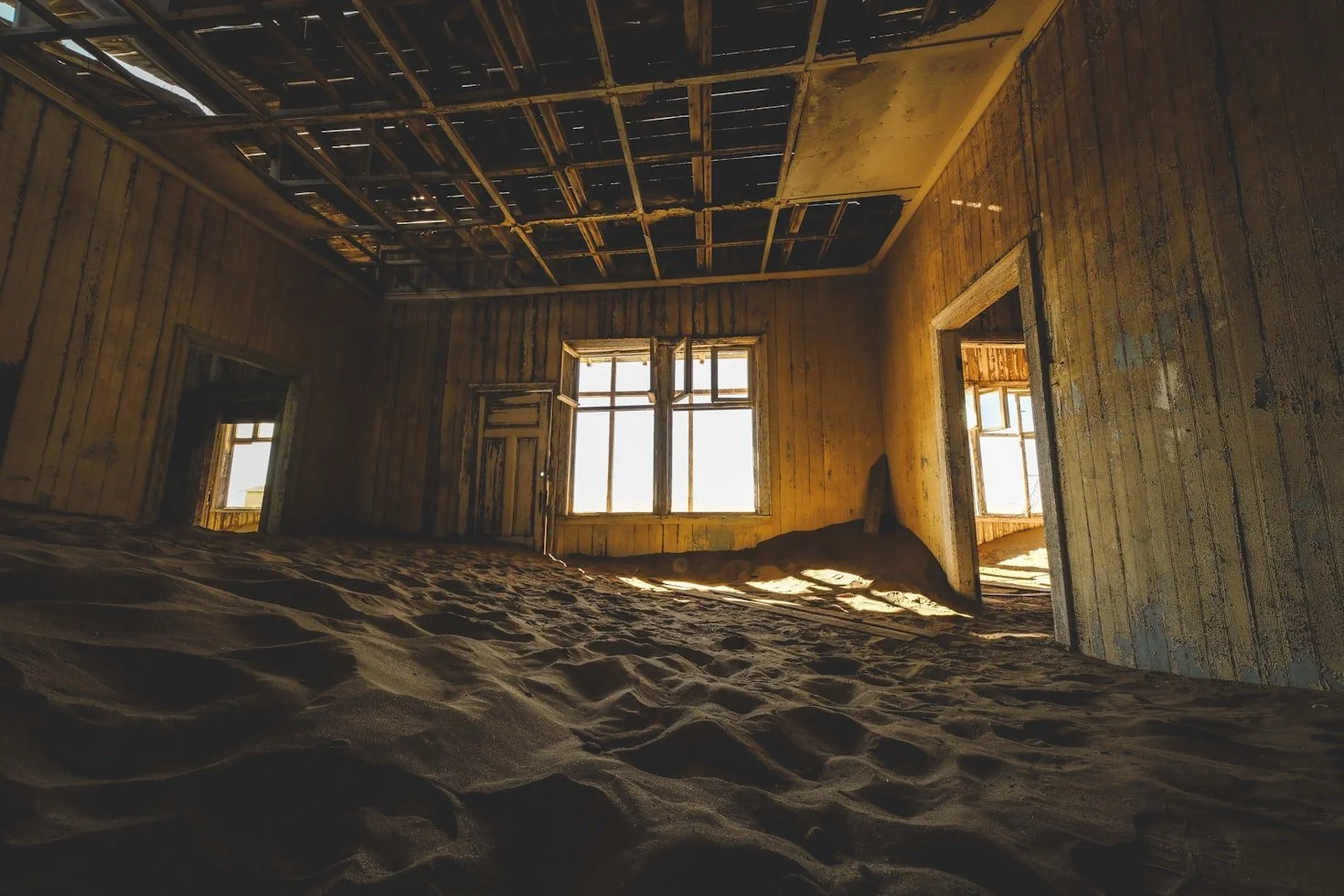
photo credits Francesco Ungaro
How Perfectionism Steals Time Without Looking Like It Does
Most of us don’t wake up and consciously decide to abandon our creativity.
It just happens in the small, repeated moments where we choose “what must get done” over “what nourishes me”.
We answer one more message.
We handle one more logistics task.
We tell ourselves we’ll start the creative thing after the dust settles.
But the dust doesn’t settle.
We just become very good at keeping it in the air.
And that’s the part that’s heartbreaking when I say it out loud:
My creativity wasn’t dying. It was waiting.
Waiting for me to choose it before the day was over.
Waiting for me to put expression on the list before efficiency.
It’s wild how much we accept the idea that creativity is a luxury. Like something for when there’s time left over.
As if expression wasn’t part of our wellbeing.
As if nourishment needed to be earned.
As if our inner world wasn’t also part of our responsibilities.
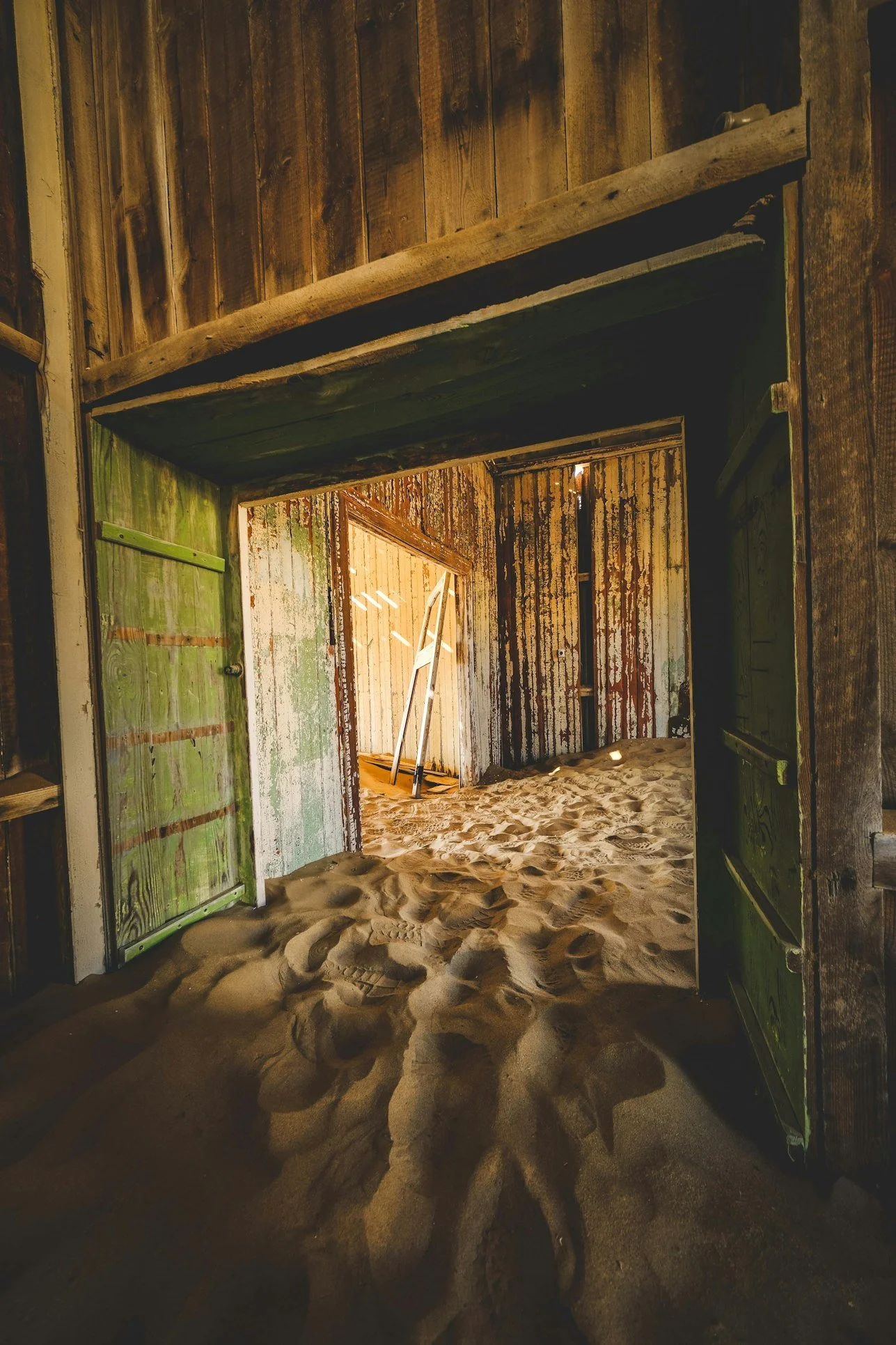
photo credits Francesco Ungaro
Why Imperfect Beginnings Change Everything
What I’ve been learning is this: creative life doesn’t require more time. It requires a shift in allegiance.
It requires five messy minutes in a notebook.
It requires a paragraph that might never be used.
It requires choosing the book you want to read before the inbox you want to manage.
It requires letting something exist even when it’s not fully formed.
Every imperfect beginning reconnects me to myself.
Every small act of expression reminds me that I’m not here just to maintain a life — I’m here to live one.
And strangely, when I create first, everything else becomes easier.
Work feels clearer.
My nervous system feels steadier.
There’s more energy, not less.
Perfectionism drains life.
Creativity gives it back.
If You Recognize Yourself in This
You’re not behind.
You’re not undisciplined.
You’re not lacking clarity.
You’re human. And likely tired of betraying the parts of you that are asking to breathe again.
So here’s the question I’m sitting with lately: What if we stopped waiting for the perfect moment AND began anyway?
Would the world collapse if we let something imperfect come through?
Or would our lives quietly expand?
I suspect it’s the latter.
Let something small and honest emerge this week.
Let something be unfinished and still alive.
Let yourself meet the version of you who isn’t waiting anymore.
Your creativity doesn’t need perfect conditions.
It needs permission.
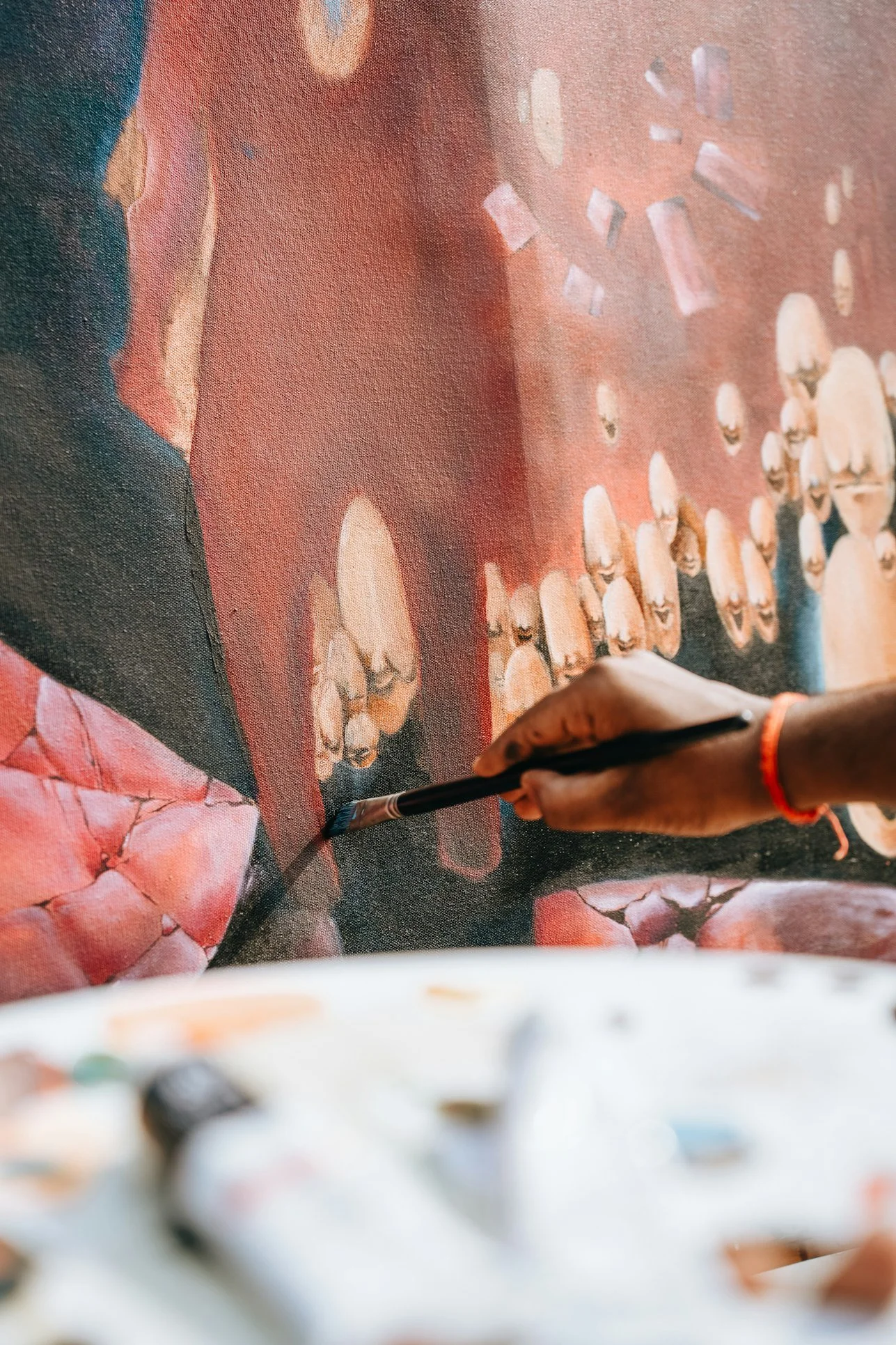
photo credits Yash Rai
If this landed for you and you’re craving a deeper return to your creative self, the part of you that knows, expresses, and remembers who you are, I offer sessions and containers designed exactly for this kind of reclamation.
Work with me:
• Breakthrough Session for moments when you feel stuck, stalled, or unsure where to begin
• Mentoring Series are a space to rebuild trust with your inner voice and creative rhythm
• Custom Immersions when you desire a full reset into clarity, expression, and embodied direction
You can explore all offerings here
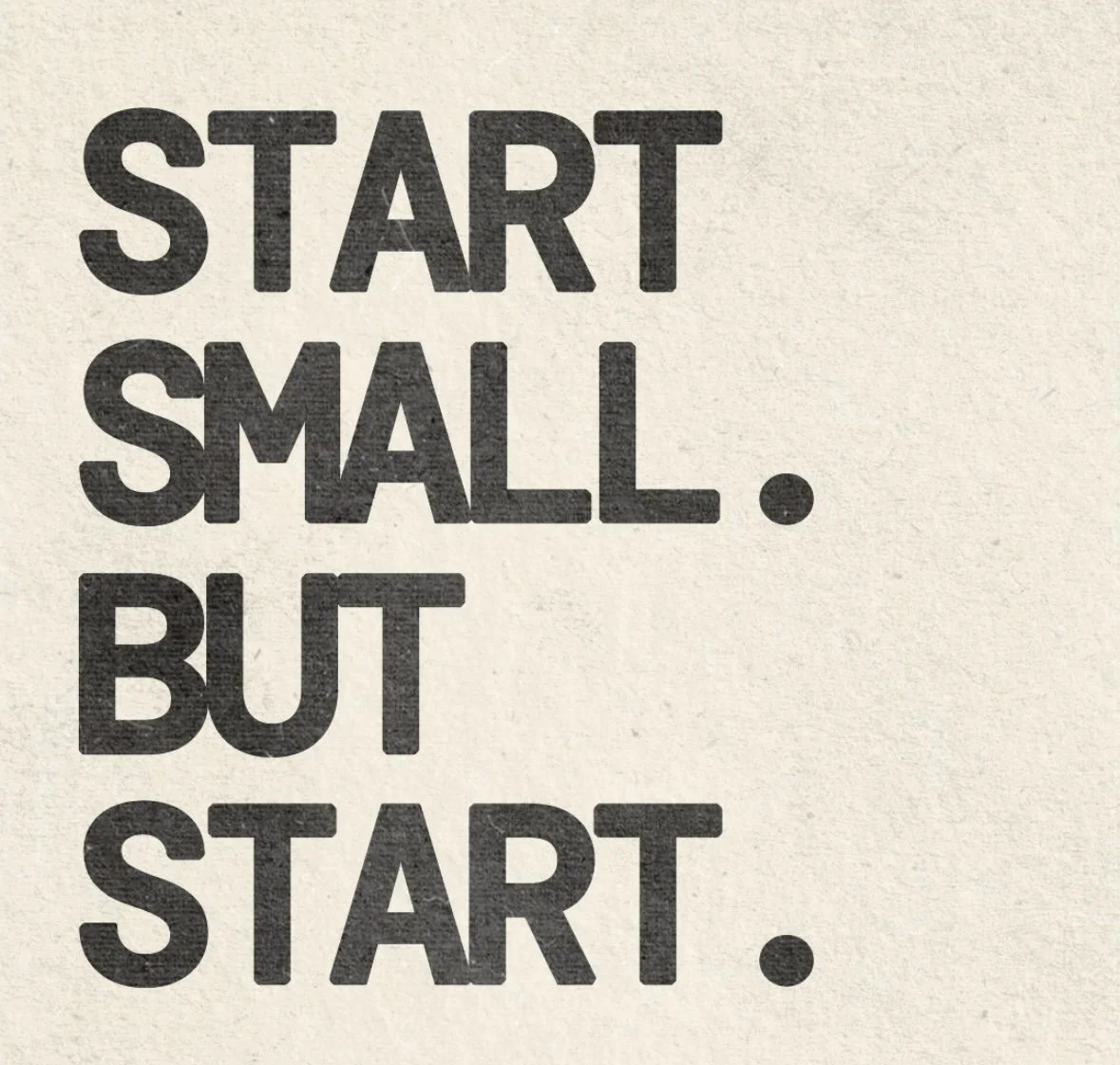
photo credit by foundr