

Lessons from a master procrastinator, and the surprising parts I met along the way
I have a confession to make.
I’ve spent a great amount of my life procrastinating.
People who know me professionally tend to find this hard to believe. From the outside, my life has looked fairly productive. I’ve built businesses, led teams, moved across the world, become a mother, added on careers and responsibilities, completed trainings, and somehow managed to make most things happen before the deadlines.
The key phrase here is before the deadlines.
What happened in the days, weeks, and occasionally months leading up to those deadlines is another story entirely.

If you’ve ever found yourself reorganising the kitchen because you had an important email to send, you’ll know what I mean. If you’ve developed an urgent need to compare project management software, deep clean your wardrobe, or spend forty-five minutes researching the perfect notebook instead of writing the proposal due tomorrow, welcome. You’re in good company.
My particular talent has always been preparation.
Writing required the right playlist, the right tea, the right notebook, the right level of tidiness, … the right day … and just enough research and more days to feel informed. Somewhere along the way, preparing became a substitute for creating. By the time everything was finally in place, I often felt strangely depleted.
It was an impressive amount of effort for something I hadn’t actually started.
For years, I assumed procrastination was a discipline problem. Naturally, I responded by collecting every productivity system I could find. There were habit trackers, beautifully colour-coded calendars, carefully designed morning routines, time-blocking experiments, and enough productivity books to qualify for a small library. Some of those things genuinely helped.
None of them explained why I could make enormous life decisions in an instant while replying to a perfectly friendly email felt like moving a mountain.
It wasn’t until I started doing shadow work that a different question emerged.
Instead of asking why I procrastinated, I became curious about who was procrastinating.
It changed everything.
Until then, I had treated myself as though there was one rational adult inside me occasionally making terrible decisions. One part wanted to write the newsletter, another part kept finding increasingly creative reasons not to, and somehow I assumed one of them simply needed to overpower the other.
That isn’t what I found.
Instead I stepped into a room full of personalities, all convinced they were acting in my best interest.
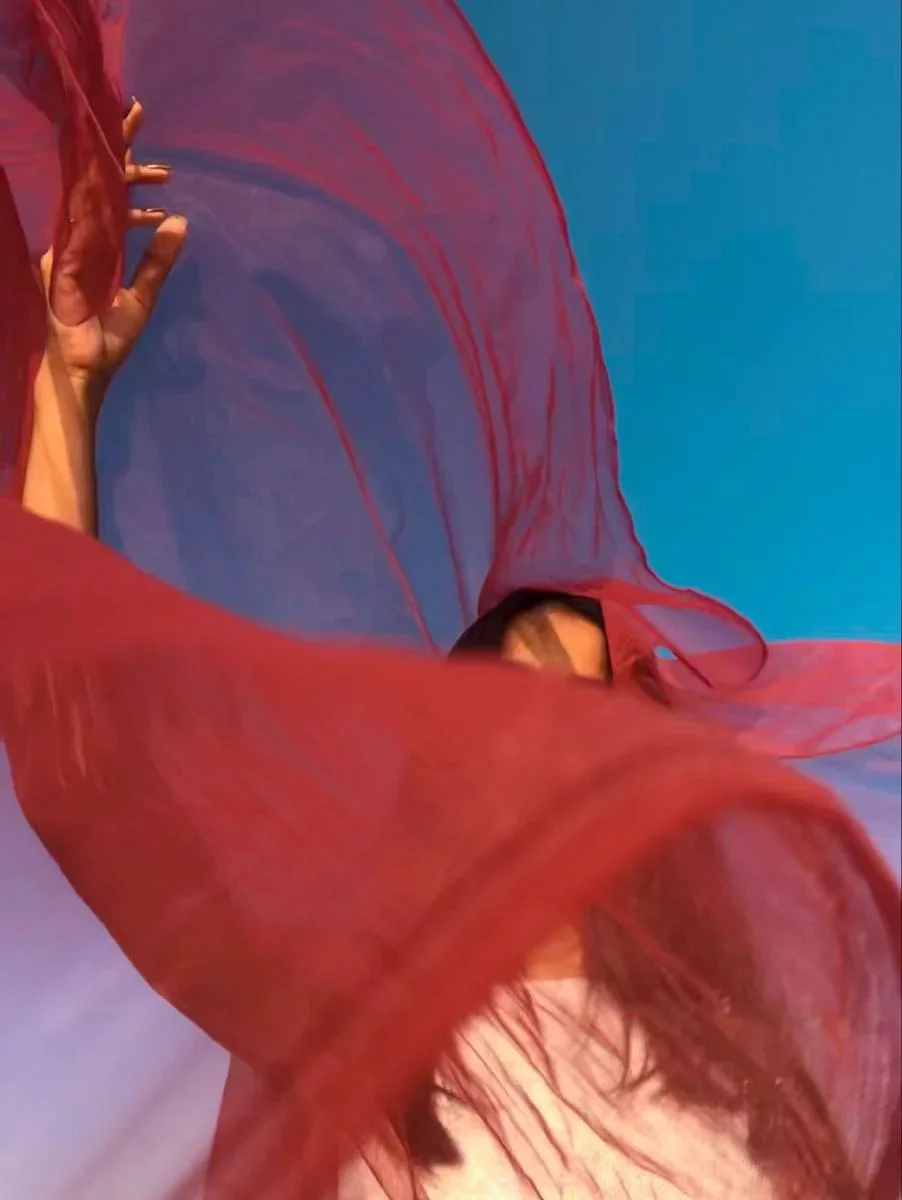
It felt strange at first, almost like introducing myself to people I’d unknowingly lived with my entire life. Eventually, I started giving them names. I noticed that externalizing and naming them made it easier to meet them.
The first to introduce herself was The Curator: She has exquisite taste. She notices the sentence that lands a beat too early, the paragraph that wanders, the idea that hasn’t quite found its shape yet. Much of the work I’m proudest of carries her fingerprints, and for that I’m grateful.
She also has a remarkable ability to convince me that one more draft will finally make something worthy of being seen.
It took me a while to realise she isn’t chasing perfection for its own sake. She’s trying to protect me from judgment. Somewhere in my life she concluded that impeccable work offered safety, and she’s been polishing my armour ever since.
Across the table sits The Sceptical: She’s cool as a cat, calm as a rain-less lake, hard to impress, and almost impossible to argue with.
She never says, “Don’t publish this.” No, she’s subtle in her moves. Only works with questions. And got plenty of them.
“Wouldn’t another week help?”
“What if someone misunderstands what you mean?”
“Are you sure this is the right time?”
By the time she’s finished speaking, postponing feels less like avoidance and more like wisdom.
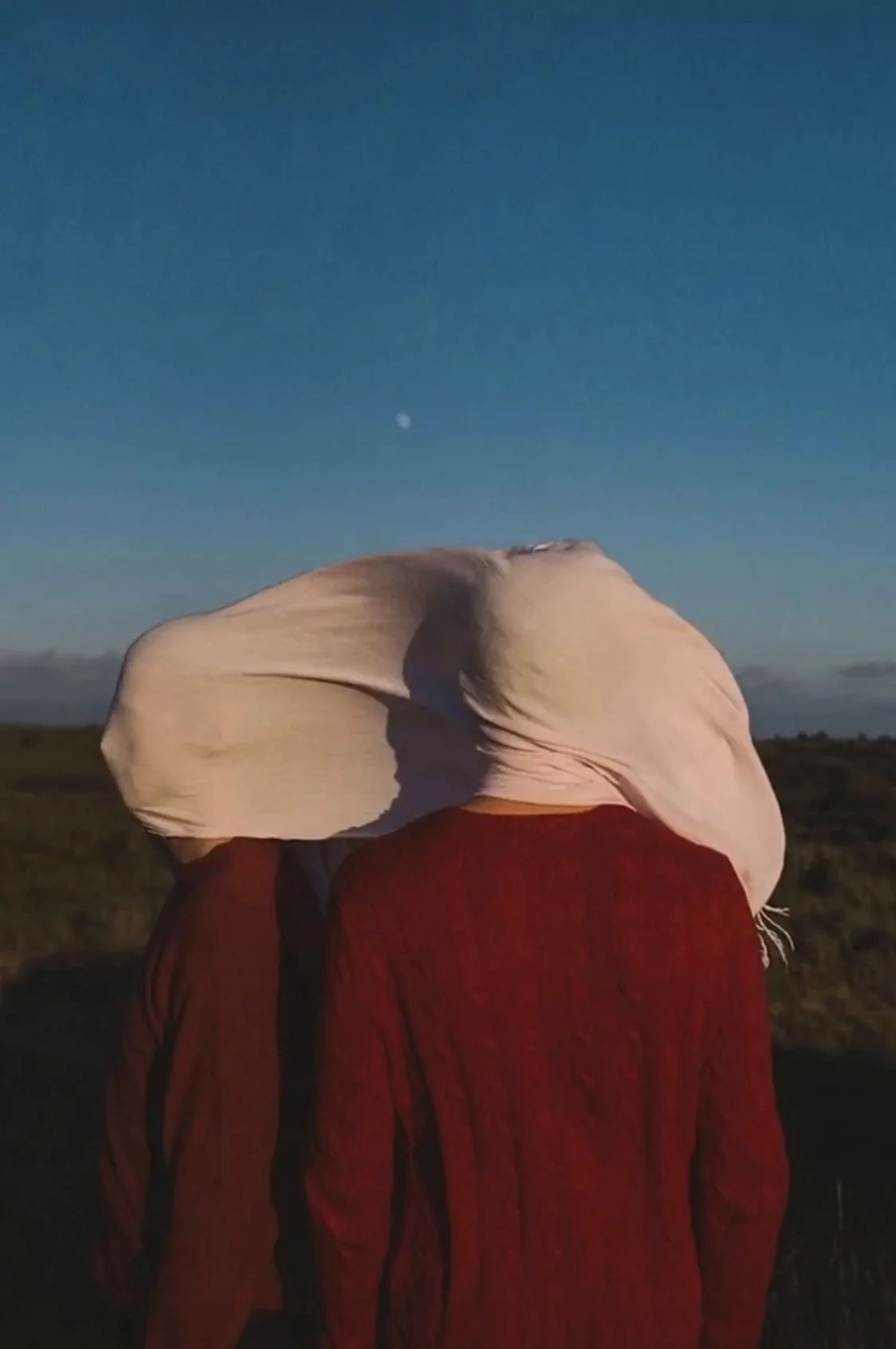
Then there’s The Explorer: She’s responsible for many of the adventures that have shaped my life. For her, life is endless possibilities. Business ideas, retreat names, book titles, and imaginary futures appear before breakfast.
The only thing she struggles with is finality. As long as an idea remains unfinished, it can still become anything. Right? (I get her.)
Once I publish something or launch a project, a thousand other versions miraculously disappear. I hadn’t realised how often I delayed finishing something because a part of me wasn’t ready to let go of all the lives it could still have lived.
The Steward has a different concern altogether: She has spent years making sure everyone else is okay. She’ll happily spend an afternoon helping a friend untangle a difficult decision while gently moving my own work to tomorrow. Being useful is her understanding of joy. She seems to forget who she’s working for and that I belong on her list too.
Then there is the one I misunderstood for years. I called her lazy.
Just that she wasn’t.
She was exhausted.
Seasons had demanded more from her than she thought she had to give. Holding everything together became such a familiar way of living that she stopped recognising the weight she was carrying. Every new productivity system I enthusiastically adopted landed on her desk as another expectation.
Guess what - she wasn’t resisting the work. She went with it and went silent. I only found out later on that she didn’t have anything left in her to say “no.” Because underneath a tiredness as heavy as a truck load of silver has been pulling her down. No energy left to put into words when the eyes were too heavy to float open.
Meeting her felt less like a psychological breakthrough and more like discovering I’d been mispronouncing someone’s name for years.
As I got to know this curious cast of characters, I noticed someone else sitting at the head of the table. I observed her not speaking often. When she clears her throat, everyone else listens.
I’ve come to think of her as The Keeper of Identities.
She understands that sending the application isn’t simply sending an application. Publishing a post is never just publishing a post.
Every meaningful piece of work asks something much bigger of us.
To become someone. With it. Through it. In it.
The moment I press publish, I become a writer who has shared these words with the world. The moment I launch a business, I become someone responsible for building it. The moment I call myself a mediator, I can no longer hide behind the comfort of saying I’m training to become one.
Some part of me knows that every completed task closes one chapter and opens another.
No wonder there’s hesitation.

I thought procrastination was about avoiding the task. I’m beginning to suspect it’s often about standing at the entrance gate to a new identity.
That doesn’t mean every delay carries profound psychological meaning. An email can be an email, and the kindest thing I can do is stop overthinking it and press send. I’ve also learned that shame has never once made me more creative. Curiosity has.
These days, when I notice myself wandering into unnecessary research or discovering an overwhelming desire to reorganise my bookshelf instead of writing, I pause for a moment.
Who’s here?
Who’s worried?
What are they trying to protect?

The answer is almost always more interesting than whatever was sitting on my to-do list. I meet the committee and they sit down as I enter the room.
The Curator still circles paragraphs with loving obsession. The Sceptical still proposes another week. The Explorer still mourns all the unwritten versions of an idea. The Steward still volunteers my afternoons. The Exhausted One occasionally requests a nap with impeccable timing.
The Keeper of Identities still reminds everyone that every meaningful act of creation changes us a little. They all get a seat at the table now.
They just don’t all get to hold the pen.
/
Have you ever noticed different “characters” showing up inside you when you’re about to do something that matters?
I’d love to hear who’s on your committee.